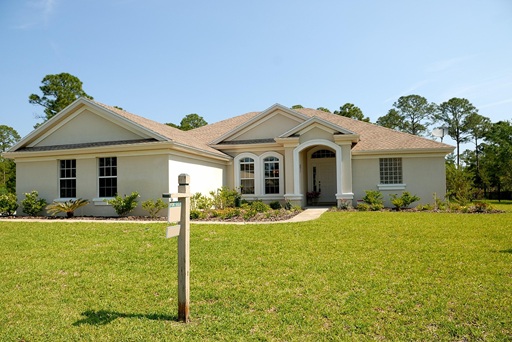

You can give your building the look and durability of real stone without the weight, cost, or long installation time. Stone veneer façade delivers authentic stone aesthetics while staying lightweight, easier to install, and lower-cost than full-thickness stone—making it a practical choice for exterior and interior projects.
This post Stone Veneer Facade will show how to choose styles that match your architecture, weigh design and performance trade-offs, and compare common installation methods and upkeep needs so you can plan confidently. Expect clear, practical guidance that helps you pick the right veneer, understand how it’s installed, and keep it looking great for years.
Design Considerations and Aesthetic Benefits
Choose materials, colors, and profiles that match the building’s scale, exposure, and desired maintenance level. Think about texture, joint lines, and how the veneer will interact with trim, windows, and landscaping to create a cohesive composition.
Material Options and Finishes
You can select natural stone veneer or manufactured (cast) stone depending on budget and performance needs. Natural stone offers unique veining and density, while manufactured stone gives consistent shapes, lighter weight, and easier installation.
Finishes range from sawn and honed to split-face and rubbed. Split-face and ledgestone emphasize texture and shadow; honed or sawn finishes read cleaner and suit modern facades. Consider freeze-thaw durability, water absorption, and recommended sealing for exterior use.
Mounting systems matter: adhered thin veneer works for many framed walls, while anchored systems suit heavier panels or high-wind sites. Factor in substrate requirements, flashing, and weep details to avoid moisture problems and ensure a long-lasting finish.
Popular Color Palettes
Select palettes that complement roofing, trim, and landscape tones. Warm tans, beiges, and rusted browns pair well with wood and bronze metals. Cool grays, blues, and charcoal match steel, glass, and modern color schemes.
Use multi-tonal blends to mask dirt and create depth; single-tone stones produce a minimalist look. Test samples on the building exterior at different times of day to view color shifts in sunlight and shade.
Consider how mortar color affects the overall look: matching mortar creates a monolithic field, while contrasting mortar emphasizes individual stones and coursing. Choose UV-stable pigments for long-term color retention.
Compatibility With Architectural Styles
Match stone profile and coursing to the architectural vocabulary of the building. Irregular ledgestone or fieldstone complements craftsman, cottage, or rustic designs. Thin, uniform panels and large-format ashlar suit contemporary and mid-century modern facades.
Scale the stone units to the building mass: large blocks balance expansive façades; smaller stones suit detailed trim and human-scale elements. Pay attention to corner treatments and transitions to other materials so joints, reveals, and flashings read intentional and refined.
Use stone as full cladding, accent walls, or base skirting depending on the style. For historic renovations, choose profiles and mortar joints that align with period construction; for new builds, coordinate textures and color to reinforce the chosen architectural language.
Installation Methods and Maintenance Insights
Focus on proper substrate preparation, follow professional installation standards, and adopt simple routine cleaning and inspection habits to prolong the veneer’s performance and appearance.
Preparation and Substrate Requirements
You must confirm the substrate is sound, flat, and able to carry the veneer weight. For adhered veneer, use a minimum 16-gauge metal lath over a weather-resistive barrier (WRB) on wood or steel framing; on masonry, clean and dampen the surface. Check local code for required WRB and flashings—improper flashing at sills and penetrations causes most moisture failures.
Ensure substrate tolerances: flat within 1/4″ in 10′ for adhered systems and level-bearing surfaces for anchored systems. Install continuous flashing and weep systems at shelf angles, window sills, and ledges. Use stainless steel fasteners and corrosion-resistant anchors where metal-to-masonry connections exist. Pre-fit corners and control joints to accommodate thermal movement.
Professional Installation Guidelines
Hire a mason or installer experienced with the specific veneer type you chose—manufactured and natural stones have different cutting and mortar behavior. Follow manufacturer specifications for mortar type (typically polymer-modified thinset or Type S/L mortar), curing time, and back-buttering where required. Cut stones with a diamond blade and dry-fit pieces to maintain bond depth and aesthetic pattern.
Use proper anchorage for full-depth or mechanically anchored veneers: shelf angles at floor lines, ties at maximum spacing per ASTM/ manufacturer guidance, and continuous flashings above openings. Inspect adhesion with pull tests when recommended. Document materials, lot numbers, and installation details to support warranties and future maintenance.
Routine Care and Cleaning Tips
Perform visual inspections twice yearly and after major storms. Look for cracked or loose units, failed mortar joints, staining, or biological growth. Address cracks promptly; remove loose mortar and re-point with compatible mortar to maintain bond and prevent water ingress.
Clean using low-pressure washing (max 500 psi) and neutral pH cleaners for dirt and pollen. For efflorescence, use a masonry efflorescence remover per manufacturer instructions and rinse thoroughly. Avoid high-acid cleaners on calcareous stone and never sandblast. Re-seal porous stones only if manufacturer recommends a penetrating sealer; test a small area first.