
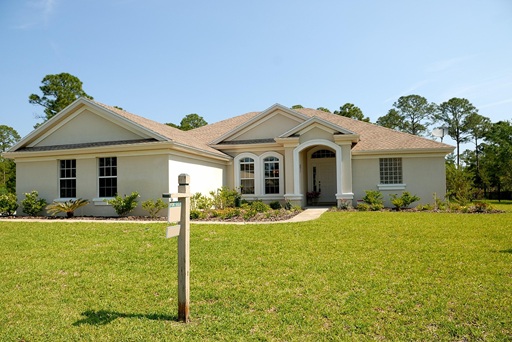
You can sell house in Ontario without a realtor — it’s legal and many homeowners choose the private route to save on commission and control the process. You still must meet provincial legal requirements, work with a real estate lawyer for closing documents, and follow a clear step-by-step plan to price, market, and negotiate effectively.
This post Sell House Without Realtor Ontario walks you through what you legally must do, practical steps to prepare and sell, and how to avoid common pitfalls so you keep more of the sale proceeds and stay protected. Follow the guidance here to decide whether a private sale fits your goals and how to execute it with confidence.
Legal Requirements for Private Home Sales in Ontario
You must disclose known material defects, provide specific statutory forms, and complete title-related documentation to transfer ownership legally. Missing required disclosures or forms can delay closing or create liability after the sale.
Mandatory Disclosures for Sellers
You must honestly disclose known defects that could affect the property’s value or safety. Ontario law doesn’t require a single universal disclosure form, but common required disclosures include latent defects (e.g., structural issues, sewage backups, or undocumented additions) and anything you know that materially affects habitability or value.
If your property is part of a condominium, you must provide the condo status certificate on request; failing to do so can void offers or lead to penalties. For properties with wells, septic systems, or environmental concerns, disclose functional condition and any repair history. Don’t rely on buyer inspections to absolve you—non-disclosure of known issues can create legal exposure for fraud or misrepresentation.
Required Documentation and Forms
You must prepare specific documents to complete a private sale. Expect to provide: the deed/transfer of land, a completed Agreement of Purchase and Sale (signed by both parties), municipal tax information, and proof of payoffs for mortgages or liens.
Use the Ontario Real Estate Association or lawyer-drafted Agreement of Purchase and Sale to ensure key clauses (closing date, deposits, conditions) are present. If a seller-held mortgage, include the mortgage statement and discharge instructions. For condos, the buyer will commonly request the status certificate and budget/board documents. Finally, hire a licensed lawyer or notary to handle title search, registration of the transfer, and fund disbursement to ensure all forms meet Registry requirements.
Step-by-Step Guide to Selling Privately
You’ll set a realistic price, create a targeted marketing plan, and handle offers and counteroffers directly with buyers. Focus on accurate pricing, clear advertising, and firm but fair negotiation practices to protect your sale and timeline.
Pricing Your Home Effectively
Research recent sold listings within a 1–2 km radius and adjust for differences in lot size, upgrades, and condition. Use at least three comparable sales (comps) from the same municipality and within the last 3–6 months to form a baseline price.
Consider hiring an independent licensed appraiser for complex properties or if you expect a high-value sale; their report can justify your asking price to buyers and lawyers. Factor in closing timeline: pricing slightly below competing listings can attract multiple offers, while a firm price suits sellers who want certainty.
Prepare a short written rationale for your price to share with prospective buyers. Include recent comps, any renovation receipts, and municipal property tax or assessment figures to show transparency.
Marketing Strategies Without an Agent
List on MLS through a flat-fee MLS service or use popular provincial portals and social platforms (e.g., REALTOR.ca alternatives, Facebook Marketplace, Kijiji). High-quality photos and a clear floor plan increase click-through rates; hire a professional photographer if your budget allows.
Write a factual, feature-focused listing: state exact bedroom/bath counts, square footage, lot size, year built, recent upgrades with dates, and any known issues. Schedule open houses and private showings with a sign-in sheet and ID policy to track visitors and provide safety.
Produce a one-page factsheet and an email template for inquiries. Consider targeted paid ads (geo-targeted) for 1–2 weeks surrounding listing launch to boost initial visibility.
Negotiating Offers Directly
Require written offers on standard Ontario offer forms and insist on a deposit cheque or certified funds held in trust by a lawyer. Set a clear deadline for offers if you expect multiple bids.
Evaluate each offer on price, closing date, conditions (financing, inspection), and deposit size. Counteroffer in writing and keep changes limited to a few points to avoid confusion; respond within the timeframes you set to maintain momentum.
Engage a real estate lawyer early to review any conditional wording and to hold deposit funds. If you accept an offer, confirm all timelines in writing and provide the buyer’s lawyer with required disclosure documents promptly.