
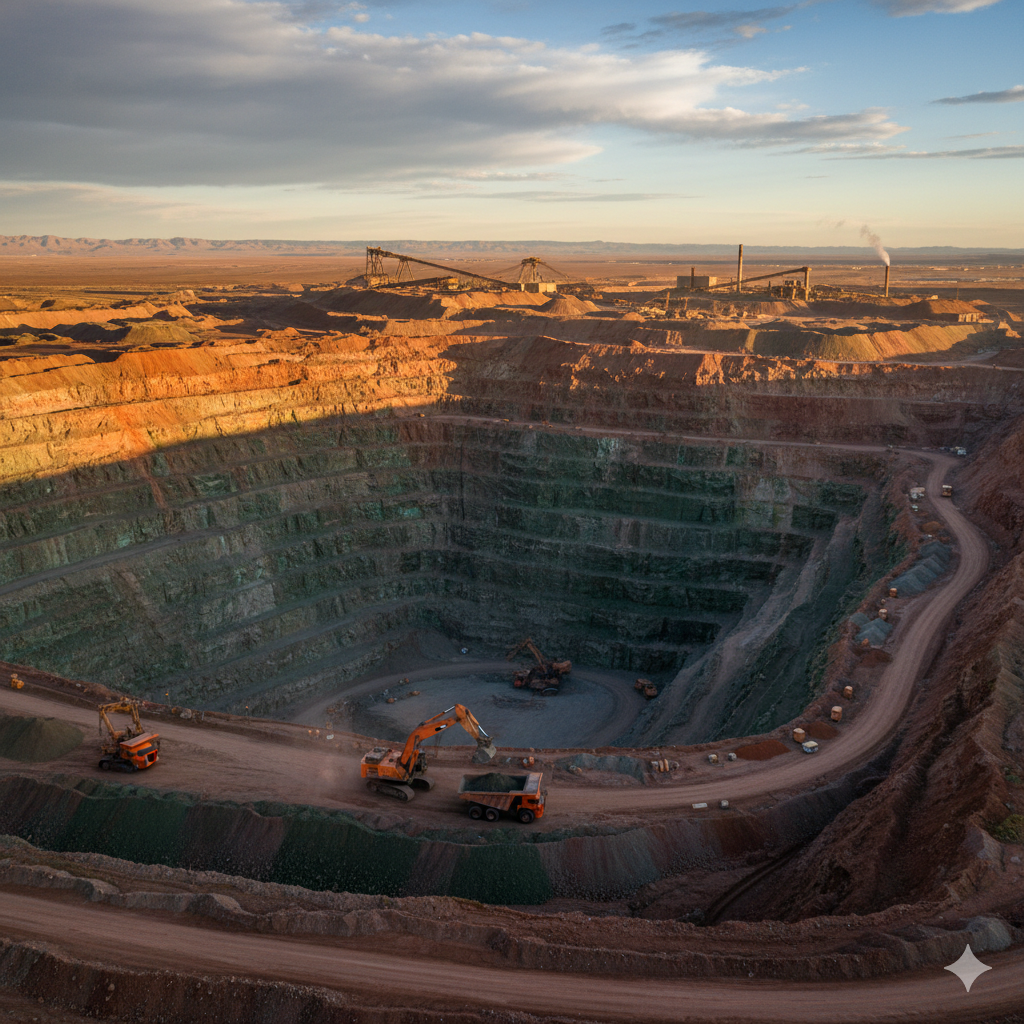
You’ll find Michigan’s mining story both historical and urgent: the Upper Peninsula shaped America’s early copper and iron supply, and modern projects still influence local economies and landscapes. Expect a clear view of what minerals Michigan produces today, where mining happens, and how those operations affect communities and the environment.
This article Mining in Michigan will trace the industry’s rise from 19th-century copper booms to current operations like the Eagle Mine, explain which minerals—iron, copper, sand, gravel, and more—drive the state’s output, and show how regulation and technology shape modern practice.
You’ll see the trade-offs between jobs, regional identity, and environmental protection, and come away able to assess the real impacts of mining in Michigan now and going forward.
History and Evolution of Mineral Extraction in Michigan
Michigan’s mineral story spans millennia, from native copper worked by Indigenous people to large-scale industrial mines and recent efforts to balance economic benefit with environmental stewardship. Key phases include prehistoric native-copper use, 19th–20th century industrialization centered in the Keweenaw and iron ranges, and 20th–21st century mine closures, remediation, and targeted revival.
Indigenous and Early Settler Mining Practices
Native peoples in the Keweenaw Peninsula extracted native copper for tools, ornaments, and trade for thousands of years. You’ll find archaeological evidence of hammered, cold-worked copper artifacts and seasonal quarrying sites dating back roughly 7,000 years, showing systematic local use long before Europeans arrived.
After Michigan became a state in 1837, prospectors and the state geologist surveyed the Upper Peninsula and confirmed extensive native-copper and iron deposits. Early Euro-American miners used hand tools and simple smelting; you should note that these small-scale operations quickly gave way to larger claims as transportation and capital arrived.
Industrial Expansion and Key Mining Regions
By the mid-1800s the Keweenaw Peninsula became the center of native-copper mining, driven by companies like Quincy and Calumet & Hecla. You will see evidence of shaft mines, stamp mills, and company towns that supported thousands of workers at peak production.
Iron mining developed concurrently in the Marquette, Menominee, and Gogebic ranges, supplying ore for Great Lakes steel mills. Railroads and shipping infrastructure on Lakes Superior and Michigan expanded to move ore, making Michigan integral to the regional iron economy through the late 19th and early 20th centuries.
Decline and Modern Revitalization Efforts
Large-scale extraction declined in the 20th century as ore grades fell and cheaper sources emerged elsewhere. You may observe abandoned shafts, collapsed company towns, and environmental legacies such as tailings and altered waterways across the Upper Peninsula landscape.
Recent decades have focused on remediation, heritage tourism, and selective modern exploration. State and federal programs, mine reclamation projects, and museums preserve mining heritage while some companies pursue advanced exploration and remediation-friendly extraction methods to reopen select deposits under stricter environmental controls.
Environmental and Economic Impact
Mining in Michigan affects water quality, jobs, local taxes, and land use in the Upper Peninsula and elsewhere. You will see trade-offs between short-term economic gains and long-term environmental management, with regulations, community benefits, and reclamation shaping outcomes.
Regulatory Framework and Environmental Protections
You must follow state and federal permits before opening or expanding a mine. Key permits include Michigan Department of Environment, Great Lakes, and Energy (EGLE) approvals for groundwater and air emissions, plus federal Clean Water Act Section 404 permits when wetlands or waters are affected.
Monitoring requirements commonly mandate groundwater wells, surface-water sampling, and air-quality reporting during construction and operations. Bonding and financial assurance rules require companies to post funds to cover reclamation and potential pollution cleanup.
Tribal consultation and public comment periods are legally required for many projects. You should expect environmental impact statements for larger projects and conditions tied to mitigation measures such as wetland replacement, erosion control, and contaminant containment.
Community Development and Job Creation
You will see direct jobs at mines and indirect employment in trucking, equipment maintenance, and local services. Michigan mining supports thousands of direct jobs in the Upper Peninsula and related regions; projects also generate property tax revenue and payments in lieu of taxes (PILOT) for host counties and townships.
Local hiring agreements and apprenticeship programs often accompany newer projects, providing trades training and seasonal work for residents. However, job numbers fluctuate with commodity prices and the lifecycle of specific mines, so gains can be temporary.
Communities weigh employment benefits against potential impacts to tourism, recreation, and traditional livelihoods like fishing and forestry. You should look for community benefit agreements, road-use contracts, and emergency response plans to see how projects intend to share economic gains and manage burdens.
Reclamation Projects and Sustainability Initiatives
You should expect legally required reclamation plans that specify progressive reclamation, reshaping, topsoil replacement, and revegetation to minimize long-term liabilities. Successful reclamation returns disturbed land to forestry, wetlands, or other productive uses and often includes long-term monitoring for contaminants such as heavy metals and acid drainage.
Some Michigan operations incorporate sustainability practices: water recycling, tailings management improvements, and dust-control technologies to reduce environmental footprint. Companies and state programs also pursue legacy-site cleanup funding to address historic contamination from copper and iron mining.
Look for measurable commitments: bond amounts, monitoring schedules, and post-closure land-use plans. Those details indicate the likelihood that reclamation will protect water and support future community uses.