You want a plumbing company that fixes problems quickly, protects your home, and charges fairly. Look for a licensed, insured local firm with clear pricing and verifiable reviews—those factors most often predict reliable work and fewer surprises.
This post Plumbing Companies walks through common services you’ll need, how to compare companies, and what to ask before hiring so you avoid costly mistakes. Expect practical tips that help you shortlist qualified pros, check credentials, and decide when to call for repairs, installs, or routine maintenance.
Core Services Offered
You can expect targeted solutions for home systems, business-scale installations, urgent faults, and scheduled upkeep. Each service line focuses on measurable outcomes: functioning fixtures, compliant installations, minimized downtime, and predictable maintenance costs.
Residential Plumbing Solutions
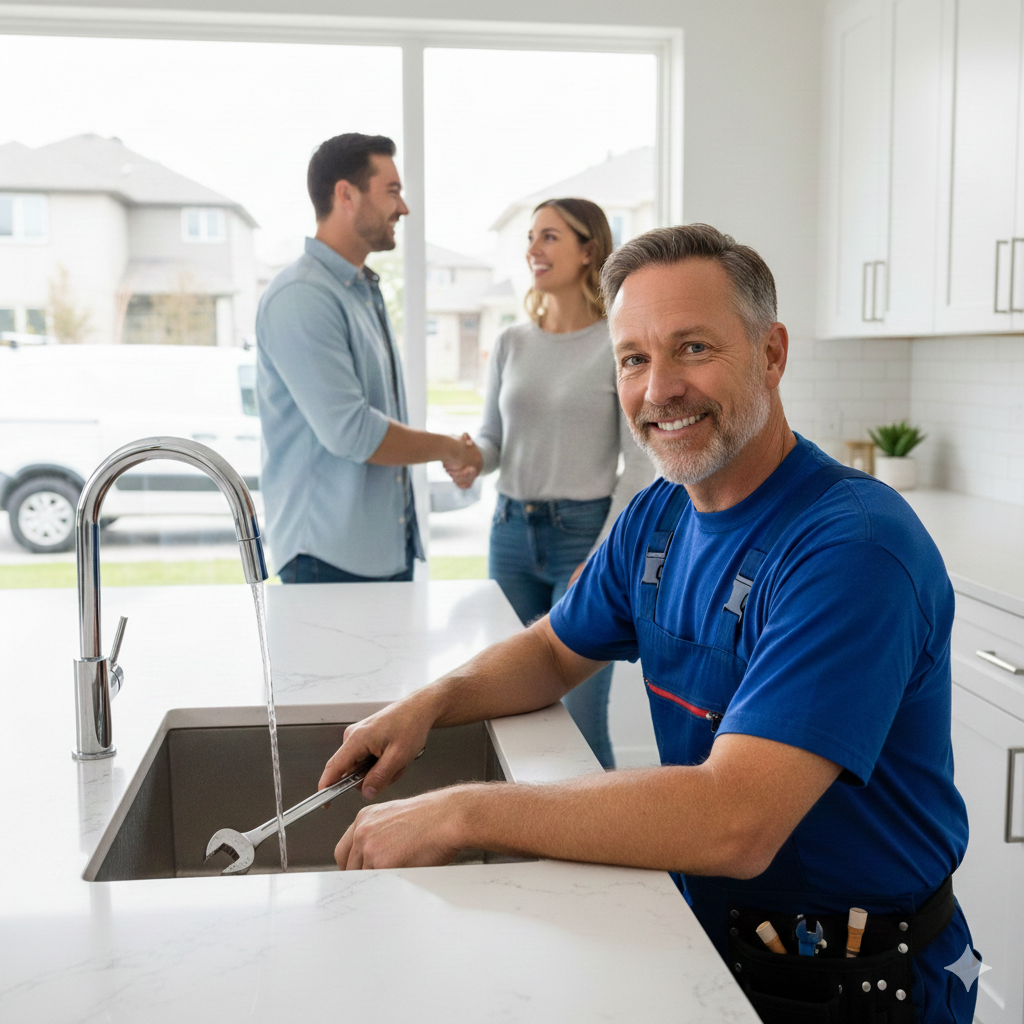
You receive services for kitchens, bathrooms, basements, and outdoor plumbing tailored to typical household layouts and materials. Technicians handle fixture installation and replacement (sinks, faucets, toilets, tubs, showers), water heater repair and replacement (tank and tankless), and repiping using copper, PEX, or PVC depending on your home’s needs.
Leak detection uses visual inspection, pressure testing, and electronic methods to find hidden pipe faults quickly. Drain and sewer care includes cleaning hair- and grease-clogged lines, mainline snaking, and safe chemical-free options to protect older pipes. If you plan a remodel, plumbers coordinate with builders to size drains, vents, and water supply runs to code and to support appliance choices.
Commercial Plumbing Expertise
Your business needs durable systems, code compliance, and minimal operational disruption. Commercial work covers multi-story water distribution, high-capacity hot water systems, grease interceptors for restaurants, and backflow prevention devices to protect municipal supplies.
Projects include new-build plumbing layouts, retrofit upgrades for ADA fixtures, boiler and hydronic heating installations, and preventive strategies for high-use restrooms. Technicians provide documentation for inspections, submit permit-ready plans when required, and schedule work during off-hours to reduce impact on customers or tenants. You also get service agreements for regular inspections and certified repairs to meet insurance and regulatory requirements.
Emergency Repairs
You get fast-response service for burst pipes, major leaks, sewer backups, and complete water outages. Emergency teams prioritize containment first—shutting valves, stopping flow, and mitigating water damage—then move quickly to permanent repairs or temporary solutions that keep your property safe.
Expect 24/7 availability or clearly published emergency windows, on-site diagnostics, and parts-carrying vans for common fixes like fitting replacement, pipe clamping, and water heater isolation. For businesses, crews can implement temporary bypasses to maintain critical systems while scheduling full repairs. Technicians document work and recommend follow-up steps to prevent recurrence.
Routine Maintenance Programs
You can join scheduled plans that extend system life and reduce surprise costs. Typical programs include annual water heater servicing, drain camera inspections, grease trap cleaning, and winterization of exposed outdoor plumbing to prevent freeze damage.
Maintenance visits follow checklists: inspect valves and shutoffs, test backflow devices, flush water heaters, and clear slow drains. Many programs offer priority scheduling, discounted labor rates, and digital records of past services so you can track trends and budget for eventual replacements.
Choosing the Right Provider
You should confirm a plumber’s legal qualifications, check how other customers evaluate their work, and verify the guarantees that protect you after the job. Focus on licensure, documented reviews, and clear warranty terms before you hire.
Credentials and Licensing
Check that the company holds the provincial or municipal plumbing license required in your area. Ask for the license number and the name of the licensed master plumber who will be responsible for your job; confirm both with the issuing authority if possible.
Also verify insurance: request a copy of their general liability policy and workers’ compensation coverage. This protects you if a worker is injured or if the plumber damages property during the job.
Look for industry certifications—backflow, gas-fitting, or manufacturer training for tankless water heaters—when your job involves specialized equipment. Those certifications show technical competence beyond a basic license.
Finally, confirm that the company uses branded parts with traceable warranties and that any subcontractors are vetted and covered under the same insurance and licensing.
Customer Reviews and Reputation
Read multiple recent reviews on at least two independent platforms (Google, Yelp, TrustedPros, or local business directories). Focus on patterns: repeated complaints about punctuality, pricing transparency, or cleanup are more important than isolated negative comments.
Ask for references for work similar to yours, such as bathroom remodels, sewer line repairs, or commercial installs. Call those references and ask about timeliness, adherence to estimates, and whether issues were resolved promptly.
Check for formal complaints with consumer protection agencies or the Better Business Bureau equivalent. Even if a company has mostly positive reviews, unresolved complaints or frequent ownership changes can signal instability.
Pay attention to how the company responds to negative feedback. Professional, prompt responses that offer resolution indicate better customer service than silence or defensive replies.
Service Guarantees and Warranties
Get all guarantees in writing before any work begins. This includes the workmanship guarantee (typical ranges: 1–5 years), parts warranty (manufacturer vs. installer warranty), and any satisfaction or response-time commitments for emergency calls.
Clarify who is responsible for warranty claims: the installer or the manufacturer. Ask for the process and expected timelines for filing a claim, and request contact information for both parties.
Confirm exclusions and conditions that void warranties, such as improper maintenance, use of non-approved parts, or unpermitted work. Understand any required maintenance you must perform to keep the warranty valid.
Finally, include payment terms tied to milestones and retain a small holdback until you confirm completion and that warranty paperwork has been provided. This aligns incentives and protects you if issues appear after the job is finished.