You can access copper as a portfolio diversifier, an inflation hedge, and a direct play on electrification and clean-energy buildouts. If you want exposure to industries powering the energy transition and electronics, copper offers both demand growth potential and multiple ways to invest—ETFs, miners, futures, and physical metal—each with different risk and return profiles.
Expect price swings tied to global growth, supply disruptions, and technology-driven demand, so you’ll need to weigh market drivers and industry trends against your time horizon and risk tolerance. The article Copper Investing will show how to evaluate those drivers and compare investment strategies and asset types so you can choose the approach that fits your goals.
Market Drivers And Industry Trends
The copper market is increasingly shaped by tightening supply, stronger demand from electrification, and higher policy and geopolitical risks. These forces affect prices, project economics, and portfolio exposure for investors.
Global Demand And Supply Dynamics
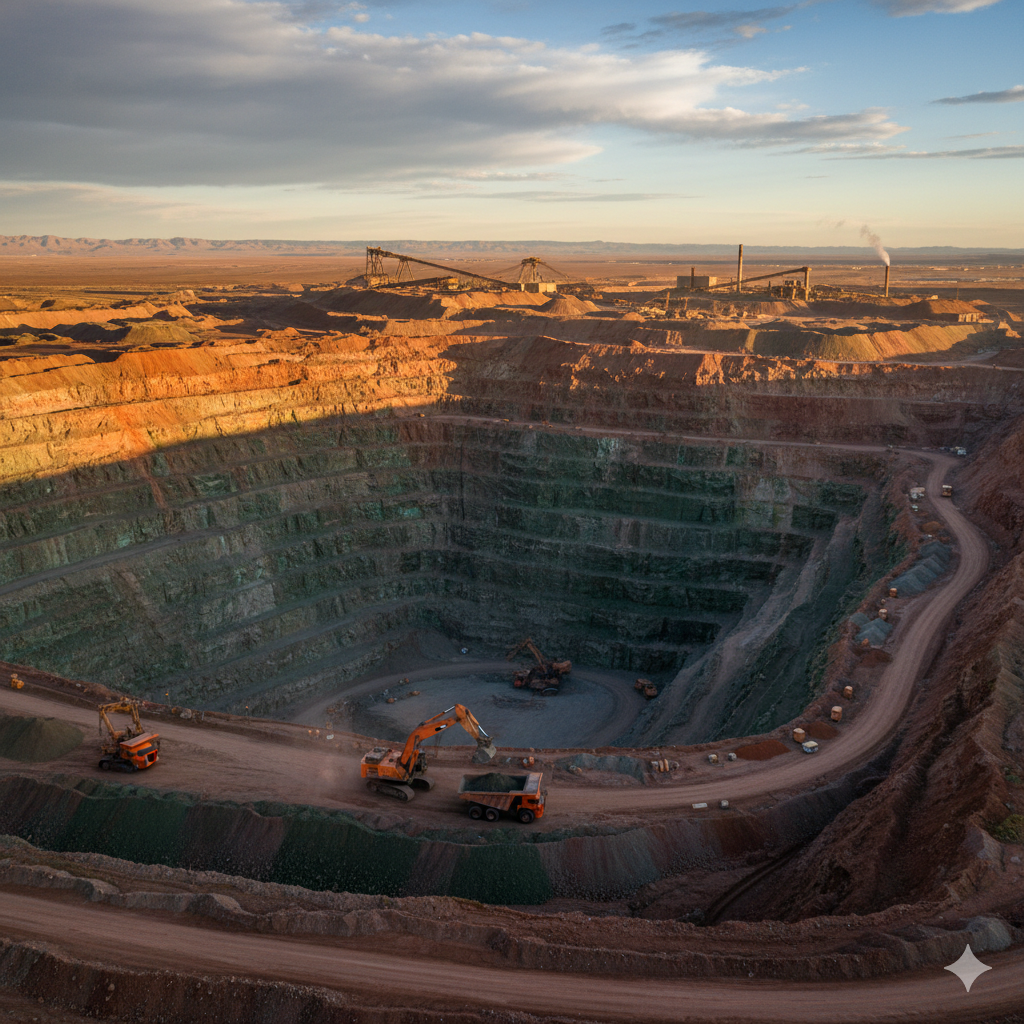
You should expect demand growth driven by industrial electrification and infrastructure to outpace near-term mine supply. Declining ore grades at many major producers reduce annual output per tonne of ore, while a limited pipeline of large new mines delays supply additions.
Recycling provides a growing share but cannot fully offset primary deficits, especially for high-purity refined copper used in electrical applications. Treatment and refining charge volatility and periodic mine disruptions contribute to short-term tightness and price spikes.
Key metrics to watch: global refined copper surplus/deficit, LME inventories, treatment charges, average mined head grades, and capex timelines for Tier 1 projects. These indicators signal whether the market will stay in structural deficit or relax.
Impact Of Renewable Energy And Electrification
Your exposure to copper benefits from accelerating buildouts of EVs, charging networks, solar, wind, and grid upgrades. An average electric vehicle uses roughly 3–4 times more copper than an internal combustion car, while utility-scale renewables and transmission projects require large conductor volumes.
Electrification demand is diversified across end markets—transportation, utility-scale transmission, and residential/commercial electrification—reducing concentration risk. Battery technology shifts can change copper intensity, so monitor vehicle platform designs and charging standards for changes in copper per unit.
Policy support—subsidies, mandates, and grid modernization funding—directly translates into multiyear offtake for copper. Track national EV targets, renewable capacity auctions, and grid upgrade budgets to estimate incremental copper tonnage.
Geopolitical Factors Affecting Copper Markets
You must factor geopolitical risk into price and supply forecasts. Major producing countries face differing political stability, permitting regimes, and export policies that can abruptly disrupt shipments or increase project delays.
Strategic stockpiling, trade restrictions, and sanctions can tighten physical markets quickly. Additionally, policy shifts toward domestic critical-minerals processing change where refined copper gets produced, affecting global trade flows and treatment charges.
Watch bilateral trade relations, national resource nationalism measures, and defense-related procurement that could prioritize domestic supply. These variables influence project permitting timelines, capital allocation by majors, and the risk premium investors apply to copper exposure.
Investment Strategies And Asset Selection
You’ll choose between holding metal, buying equity exposure, or using instruments that track copper prices directly. Decide based on liquidity needs, storage capacity, tax treatment, time horizon, and your tolerance for operational or market risk.
Physical Copper Vs. Financial Instruments
Physical copper (e.g., cathodes, wire, or minted rounds) gives you direct ownership and no counterparty exposure. Expect premiums over spot, storage and insurance costs, and lower liquidity than paper markets; selling large quantities can be slow and costly.
Financial instruments include ETFs, futures, and certificates. ETFs and mutual funds offer easy trading and diversification—some track miners, others use futures to track price. Futures provide leverage and precise price exposure but require margin, roll costs, and professional monitoring.
Match the instrument to your objective: choose physical for inventory-holding or industrial use; choose ETFs or stocks for portfolio allocation and ease of trading; choose futures for tactical plays or hedging if you can manage margin and contango.
Evaluation Of Copper Mining Stocks
Assess company quality before buying miners. Focus on proven reserves, all-in sustaining costs (AISC), production profile, and mine life. Strong balance sheets and low net debt reduce dilution risk during downturns.
Examine geographic and political risk. Mines in stable jurisdictions typically face fewer permit and tax shocks. Also check management track records for construction projects and capital discipline.
Use valuation metrics—EV/EBITDA, price-to-cash-flow, and reserve replacement costs—alongside operational metrics. Compare juniors (high growth, high risk) with majors (lower growth, greater stability) and consider pairing both in a core-satellite allocation.
Risks And Considerations For Investors
Price volatility and cyclical demand are primary market risks; copper can swing sharply with global growth and electrification trends. Prepare for drawdowns and set position-sizing rules to limit portfolio impact.
Operational risks include mine accidents, strikes, cost overruns, and permit delays. Political and regulatory changes can alter project economics quickly, especially in resource-rich emerging markets.
Financial risks cover currency exposure, inflation, and interest-rate moves that affect cost of capital and demand. For leveraged instruments, monitor margin and roll costs. Use stop-losses, diversification across instruments, and periodic rebalancing to manage these risks.