If your furnace falters, you need fast, practical steps to restore reliable heat and avoid higher repair bills. A quick inspection, basic troubleshooting (like checking the thermostat, filter, and power), and knowing when to call a pro will often get your system back to work or prevent costly failures.
This post Furnace Repair walks through common heating system issues and simple maintenance actions you can take to keep your furnace running efficiently. You’ll learn what warning signs to watch for, routine tasks that prevent breakdowns, and when professional service makes the most sense so you spend less time cold and more time comfortable.
Common Heating System Issues
You’ll find the most common issues fall into two practical areas: how the system behaves and which components fail. Knowing specific symptoms and likely causes helps you decide whether to DIY or call a technician.
Symptoms of Malfunctions
Look for these clear signs: no heat, uneven room temperatures, frequent cycling, unusual noises, and higher-than-normal energy bills. If your furnace won’t start, first check the thermostat settings, power switch, and circuit breaker before inspecting the air filter or pilot/ignition system.
Strange sounds matter. Rattling often means loose panels or ductwork; squealing usually points to a worn blower belt or motor bearing; banging at startup can indicate delayed ignition or a dirty burner. Intermittent operation or short cycling often stems from a clogged filter, oversized unit, or a faulty limit switch.
Watch for safety signals like yellow pilot flames, soot, or a strong fuel smell. These indicate combustion issues or a potential carbon monoxide risk—shut off the system and call a professional immediately.
Types of Furnace Failures
Failures cluster by component: ignition and burners, blower and motor, heat exchanger, controls/electrical, and fuel delivery. Ignition problems include dirty pilots or failed hot surface igniters; burners can clog from debris or poor fuel mixture.
Blower issues show as weak airflow or strange motor noises; causes include dirty blower wheels, failing motors, or damaged belts. A cracked heat exchanger reduces heating efficiency and can leak combustion gases—this requires prompt professional replacement for safety.
Control board failures and faulty thermostats cause erratic behavior or no response to settings. Fuel delivery problems—like a clogged gas valve, bad gas pressure, or pilot/ignition gas supply issues—prevent reliable combustion and usually need licensed service.
Maintenance and Prevention
Keep filters clean, confirm safe combustion, and monitor airflow and thermostat settings regularly to reduce breakdowns, improve efficiency, and spot problems early.
Routine Inspection Tips
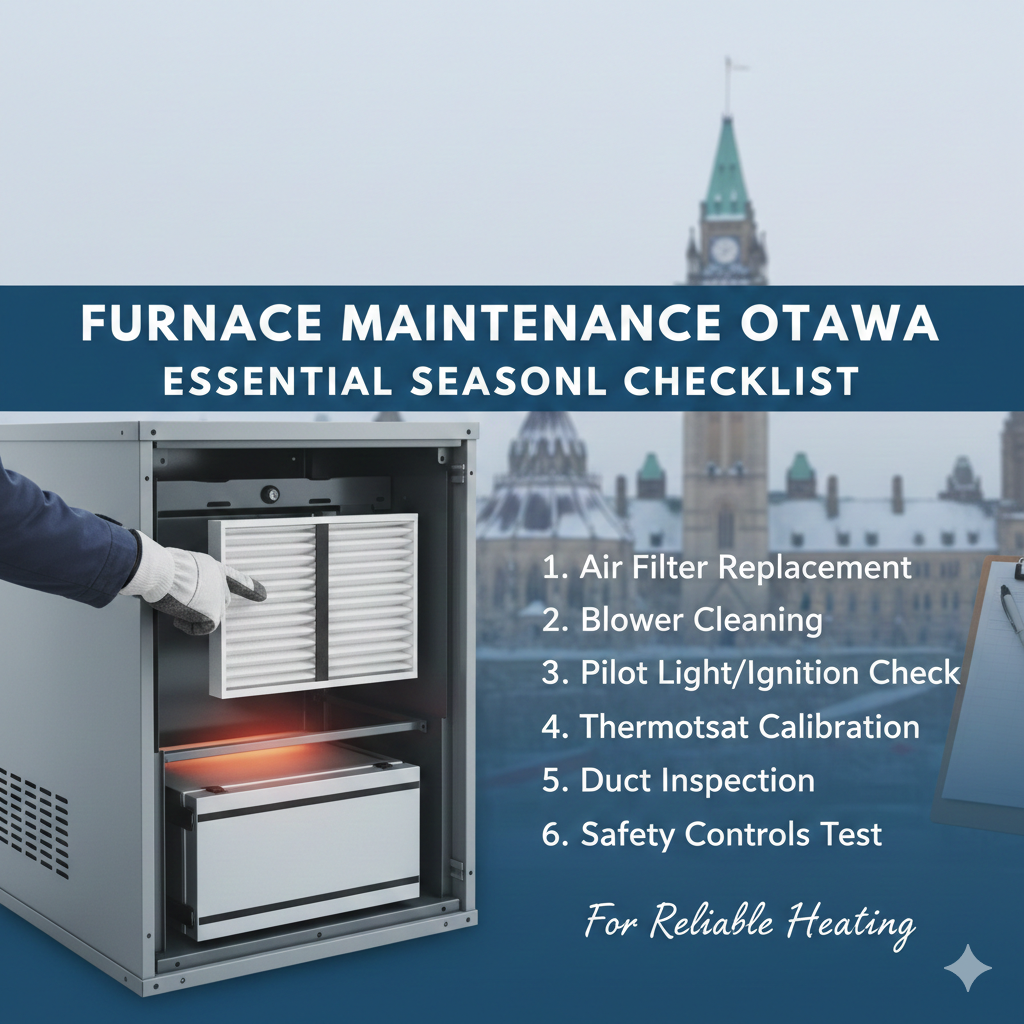
Check and replace your furnace filter every 1–3 months; a clogged filter increases strain and reduces airflow. Inspect the burner flame through the access panel—blue and steady is normal; yellow or flickering indicates combustion or ventilation issues that need attention.
Listen for unusual noises during startup and operation, such as rattles, squeals, or grinding. Tighten visible fasteners and look for loose panels or duct connections that cause vibration and leaks. Verify the thermostat setting and battery condition; inconsistent temperature readings often trace back to a failing thermostat or poor wiring.
Inspect the area around the furnace for dust buildup, stored items, or flammable materials. Clean the blower compartment and remove lint with a soft brush or vacuum; avoid bending fins or disturbing wiring. Note any water or rust around the unit, which may signal a condensate or heat exchanger problem.
Optimizing Energy Efficiency
Replace the air filter with the correct MERV rating for your system; higher MERV increases filtration but may restrict airflow if your blower isn’t rated for it. Seal and insulate ducts where you can access them—use foil-backed mastic or metal tape, not cloth tape—to cut distribution losses and balance rooms.
Set a programmable or smart thermostat with a modest setback for periods you’re away; 3–4°F setbacks reduce runtime without comfort loss. Keep vents and registers unblocked and balanced; closed or obstructed vents force the furnace to cycle more and wear parts faster. Schedule annual heat-exchanger and combustion-efficiency checks to confirm rated AFUE and safe operation.
Track fuel use or electric consumption monthly after maintenance to spot unusual increases. Small, timely improvements—filter changes, duct sealing, thermostat programming—typically yield the best cost-to-savings ratio.
When to Seek Professional Help
Call a licensed HVAC technician for any signs of gas smell, persistent yellow pilot or burner flame, spiking carbon monoxide detector readings, or visible cracks in the heat exchanger. These present safety risks that require trained diagnosis and proper testing equipment.
Request professional service if you see repeated short-cycling, loss of heat in specific zones, or rapid increases in energy bills after completing basic checks. Technicians can perform combustion analysis, motor current testing, and refrigerant or gas-pressure checks that you should not attempt.
Schedule a comprehensive annual tune-up before the heating season. Ask for a written checklist that includes ignition system inspection, venting and flue integrity, blower motor amperage, and safety-switch function. Keep service records to help diagnose recurring issues and to maintain warranty requirements.