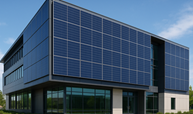
You need installers who know how ACM panels perform over time and how to fit them correctly in your climate and building type. Choose a team that combines proven installation techniques with fire-resistant, low-maintenance materials to protect your façade investment and minimize future repair costs.
This article acm panel installers shows how ACM systems work, what installers do on site, and the best practices that keep panels flat, secure, and durable in changing weather. Expect practical advice on what to ask installers, how installation methods differ, and how to spot quality craftsmanship so your project stays on schedule and performs for years.
Aluminum Composite Material Systems
ACM systems pair thin aluminum skins with a lightweight core to create rigid, weather-resistant cladding. You’ll choose panel type, core composition, and attachment method based on fire performance, durability, and façade geometry.
Panel Types and Core Options
You can pick from standard two-sheet aluminum panels with either a polyethylene (PE) core, a fire-retardant mineral-filled core (A2/FR), or a non-combustible mineral core.
- PE core: Low cost and lightweight; acceptable only where local codes permit limited combustibility.
- A2/FR core: Mineral-filled, reduced combustibility; commonly used where stricter fire ratings are required.
- Non-combustible core: Required for high-rise and high-risk applications; provides the highest fire performance.
Panel face finishes include PVDF/FEVE coatings, anodized aluminum, and printed woodgrain or metallic decors.
You should match finish durability to expected UV exposure and maintenance budgets.
Panel gauges typically range 0.4–0.6 mm for facings, with thicknesses of 3–6 mm overall.
Benefits of ACM Cladding
ACM delivers high rigidity at low weight, which simplifies handling and reduces support structure loads.
You’ll benefit from long-span coverage and flatness that maintain clean architectural lines.
Weather resistance and available factory-applied coil coatings give you corrosion protection and color retention.
Thermal expansion is predictable; proper joint detailing minimizes buckling and oil canning.
ACM also supports complex geometries—curved panels and deep reveals are achievable with formed panels or composite systems.
Design Considerations for Installations
Prioritize fire code compliance and specify the core type that meets local building regulations and insurer requirements.
Coordinate early with structural engineers to design subframing and anchorage that resist wind loads and seismic movement.
Detail joints for drainage and ventilation if you use a rainscreen approach; include a continuous weather barrier behind the ACM.
Allow controlled gaps for thermal movement and specify compatible sealants, fasteners, and isolation washers to prevent galvanic corrosion.
Plan panel layout to minimize joints at sightlines and to optimize panel sizes for site transport and fabrication limits.
Installation Processes and Best Practices
You will focus on safe site setup, precise mounting techniques, and the right tools to ensure a watertight, code-compliant ACM installation. Each step emphasizes dimensional control, weatherproofing, and adherence to structural and fire-safety requirements.
Site Preparation and Safety Guidelines
Survey the façade and confirm substrate flatness and structural integrity before you cut or fix panels. Check tolerances: plan for maximum out-of-plumb and deflection values specified by the panel and subframe manufacturers.
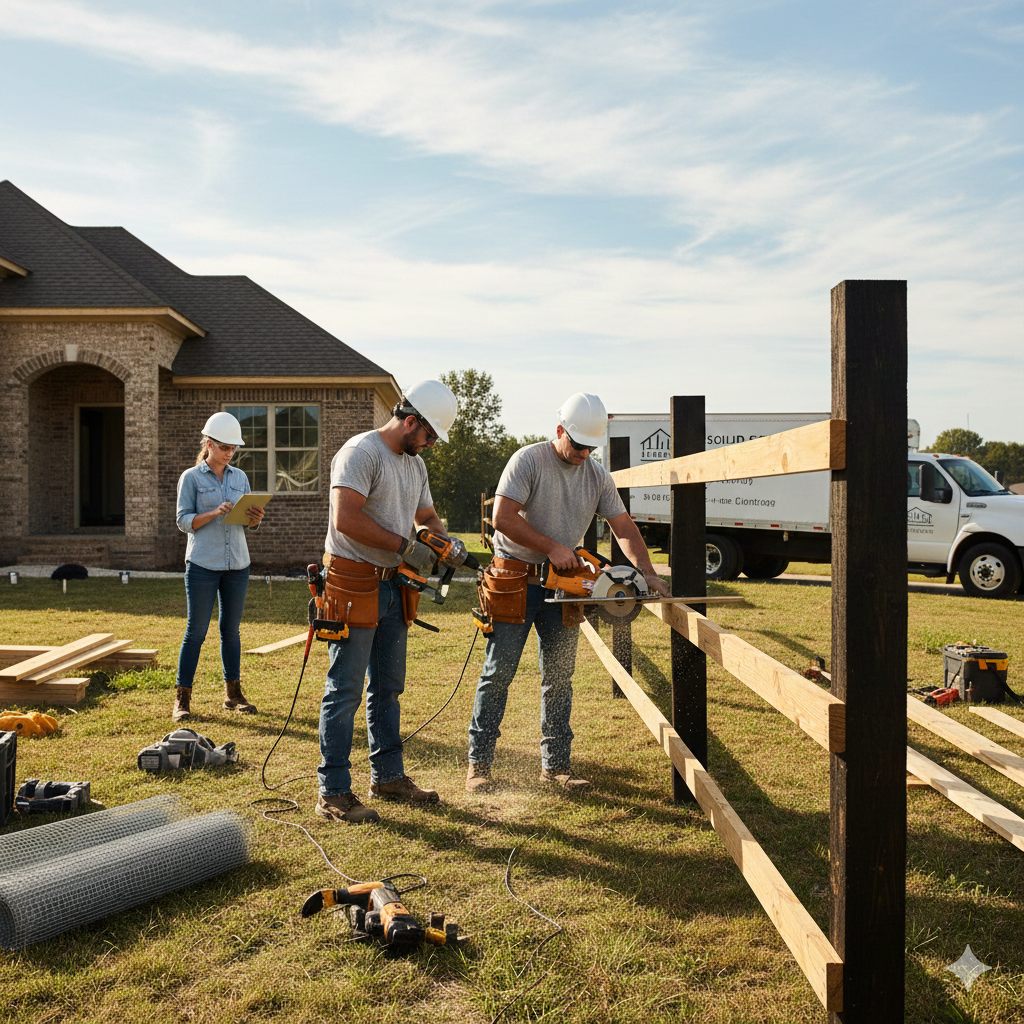
Establish perimeter safety: install guardrails, debris netting, and designated material zones. Require PPE for all workers — hard hats, cut-resistant gloves, fall-arrest harnesses when working above 2 m, and eye protection during cutting and grinding.
Protect finished edges and adjacent materials from damage and contamination. Remove loose coating, foreign matter, and old sealant. Verify thermal and moisture barriers are continuous; install flashing, drip edges, and back-ventilation as required by the envelope design.
Document site conditions with photos and pre-install inspection reports. Log ambient temperature and wind, because sealant cure, drill bit performance, and fastener torques vary with climate.
Mounting Methods and Techniques
Choose a mounting strategy that matches panel type and building loads: routed grooves with concealed clips, face-fixed rivets, or unitized frames. For high-wind zones use continuous rails and clip spacing per engineering calculations.
Set vertical and horizontal control lines and shim the subframe for true planes. Space fasteners to allow thermal movement: follow manufacturer limits (commonly 600–900 mm centers) and use oversized holes where sliding is required.
Seal lap joints and panel edges with manufacturer-approved gaskets or structural sealant. Stagger panel joints to avoid continuous vertical seams over multiple floors unless engineered details allow it.
Install back-ventilation and pressure-relief paths in rainscreen systems. Tighten fasteners to specified torque — over-tightening can deform panels, under-tightening can allow rattle and water ingress. Inspect alignment at each course before proceeding.
Tools and Equipment Overview
Carry these essentials: track saw with carbide blades for straight cuts, nibbler or CNC router for complex profiles, torque-controlled drill, rivet gun, and calibrated torque wrenches. Use stainless-steel fasteners and corrosion-resistant washers matched to the ACM finish.
Bring measuring and layout aids: laser level, chalk reel, digital caliper, and plumb bob. Have respiratory protection and local exhaust ventilation for cutting operations to control aluminum and coating particulates.
Stock installation consumables: closed-cell backer rod, structural and movement sealants rated to the system, EPDM or neoprene gaskets, and anti-seize for fasteners. Maintain a basic inspection kit: feeler gauges, gap gauges, and a camera to record progress.
Train crew on tool-specific safety and calibration routines. Keep manufacturer data sheets and engineering drawings on-site for quick reference during dimension checks and field modifications.