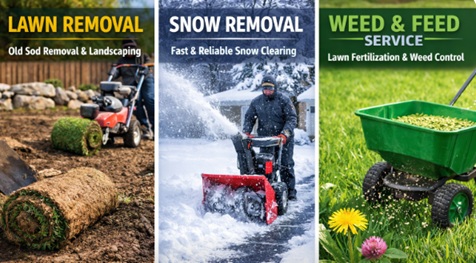
You want a healthy, low-maintenance lawn in Oakville without wasting time or money. Local lawn services offer tailored mowing, fertilizing, and seasonal care that keep your yard looking its best while matching Oakville’s climate and neighbourhood standards.
Deciding who handles your lawn matters: experience, clear pricing, and WSIB or local credentials protect your property and time. This article shows practical maintenance options and the criteria to choose a provider that fits your schedule, budget, and lawn goals.
Expert Lawn Maintenance Solutions
You’ll get targeted, practical care that keeps turf healthy through Oakville’s seasonal cycles, precise cutting and edging, tailored fertilization with weed control, and periodic aeration to relieve soil compaction.
Seasonal Lawn Care Strategies
Plan tasks around Oakville’s climate: spring (late April–May) for cleanup, dethatching, and pre-emergent weed control; summer (June–August) for irrigation management and spot treatments; fall (September–October) for overseeding and high-phosphorus fertilization; winter prep in late fall for equipment and debris removal.
Create a simple calendar:
- Spring: mow high once growth begins, remove debris, apply crabgrass pre-emergent if needed.
- Summer: raise mower height, water deeply 1–2× per week early morning, monitor for drought stress and pests.
- Fall: core aerate, overseed thin areas, apply balanced fertilizer to strengthen roots.
Adjust timing by microclimate on your property — shaded north-facing areas need later spring starts and less frequent watering than south-facing lawns.
Grass Cutting and Edging Techniques
Cut no more than one-third of blade height per mow to reduce stress and disease risk.
Recommended heights:
- Kentucky bluegrass & fescue: 2.5–3.5 inches.
- Perennial ryegrass: 2–3 inches.
Use a sharp blade and alternate mowing patterns weekly to prevent compaction lines. Mulch or bag clippings depending on thatch level; mulching returns nutrients if thatch is under 0.5″. Edge along sidewalks and beds with a string trimmer or mechanical edger for a clean boundary. Keep mower speed steady; slow push-type passes on slopes reduce scalping. Inspect blades monthly and sharpen or replace as needed to ensure clean cuts.
Fertilization and Weed Control
Test soil pH and nutrient levels every 2–3 years to select fertilizer ratios that match your lawn’s needs. Use a slow-release nitrogen program: early spring (low rate), late spring (moderate), and early fall (higher for root development). Apply phosphorus only if soil test indicates deficiency.
For weeds, use pre-emergent herbicides in spring for annual grassy weeds and spot-treat broadleaf weeds with selective post-emergents during active growth. Follow label rates and avoid applications during drought or heat above 25°C to prevent turf injury. Combine cultural controls — proper mowing, irrigation, and overseeding — with chemical treatments to reduce long-term weed pressure.
Lawn Aeration Methods
Core aeration removes 2–3 inch plugs of soil to relieve compaction and improve oxygen, water, and nutrient movement into the root zone.
Choose timing and frequency:
- Cool-season lawns: aerate in early fall or early spring.
- Aerate annually on heavy clay soils or high-traffic lawns; every 2–3 years on well-drained soils.
Use a mechanical core aerator with 0.5–1 inch diameter tines and make 2–3 passes in different directions to reach 15–20% surface coverage. After aeration, overseed and apply starter fertilizer to maximize establishment. Avoid spike aerators for compacted lawns; they can worsen compaction between holes.
Choosing the Right Service Provider
Look for a provider that matches your property’s size, seasonal needs, and budget. Focus on local experience, transparent pricing, and real customer guarantees to reduce surprises.
Evaluating Local Experience
Choose a company with specific Oakville experience — ask how many local properties they maintain and which neighborhoods they serve. Local experience matters for soil type, common pests (like grubs), and microclimate differences between lakeshore and inland areas.
Request examples of recent jobs and ask about crew turnover and certifications (e.g., pesticide applicator license, ISA arborist). A provider who documents site visits, fertilizer dates, and irrigation checks shows organized, repeatable care.
Confirm seasonal service availability: spring aeration, summer irrigation checks, fall overseeding, and winter snow plans if you need year-round support. Experienced local firms usually offer bundled seasonal plans tailored to Oakville’s calendar.
Understanding Pricing and Packages
Ask for a written price breakdown: per-cut rate, fertilization, weed control, aeration, and one-time services. Compare what’s included (mowing height, clipping removal, edge trim) versus add-ons billed separately.
Watch for service agreements that lock you into a full season without clear cancellation terms. Prefer providers who offer itemized invoices and options for monthly, seasonal, or per-service billing.
Use a short checklist when comparing quotes:
- Base service frequency and exact tasks
- Supplies included (fertilizer type, mulch, seed)
- Travel or fuel surcharges
- Contract length and renewal terms
Customer Reviews and Guarantees
Read recent reviews on local platforms (Yelp, Google, community groups) and look for patterns: punctuality, consistent mowing quality, and responsiveness to issues. One-off glowing or negative reviews matter less than repeated themes.
Ask about service guarantees and remediation policies. A clear guarantee states response time, conditions for re-service, and whether corrective work is free or discounted.
Request references for similar Oakville properties and verify claims like WSIB insurance or licensure. If a company offers a satisfaction guarantee in writing, include that in your contract before you pa