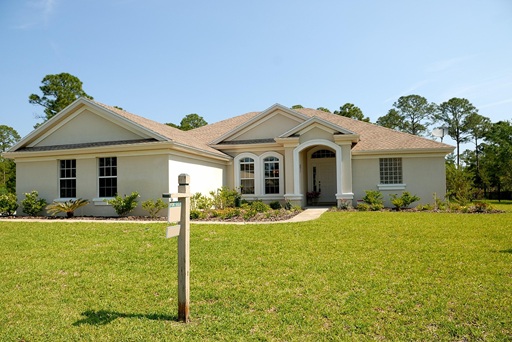
You’re considering a renovation in London and want practical guidance on what to tackle and how to get it done. Start by defining your goals—whether you want to boost comfort, increase property value, or add energy-efficient upgrades—then match the scope of work (kitchen, bathroom, basement, or full-home) to your budget and timeline.
In post Renovations London Local contractors in London specialize in projects from legal basement conversions to full-home remodels, so you can focus on design and permits while professionals handle the build. This article walks through common project types, cost factors, and how to pick the right team so you can move from idea to finished space with confidence.
Types of Home Renovation Projects
You’ll find projects that increase usable space, improve daily comfort, and raise resale value. Focus on scope, permits, and realistic budgets to match your goals.
Kitchen and Bathroom Upgrades
Kitchen and bathroom upgrades deliver high return on investment when you choose durable, low-maintenance materials. In kitchens, prioritize layout changes that improve workflow—move the sink, stove, or fridge only when the gain justifies plumbing or gas work. Opt for quartz or engineered stone counters, soft-close cabinets, and LED task lighting to modernize without overcapitalizing.
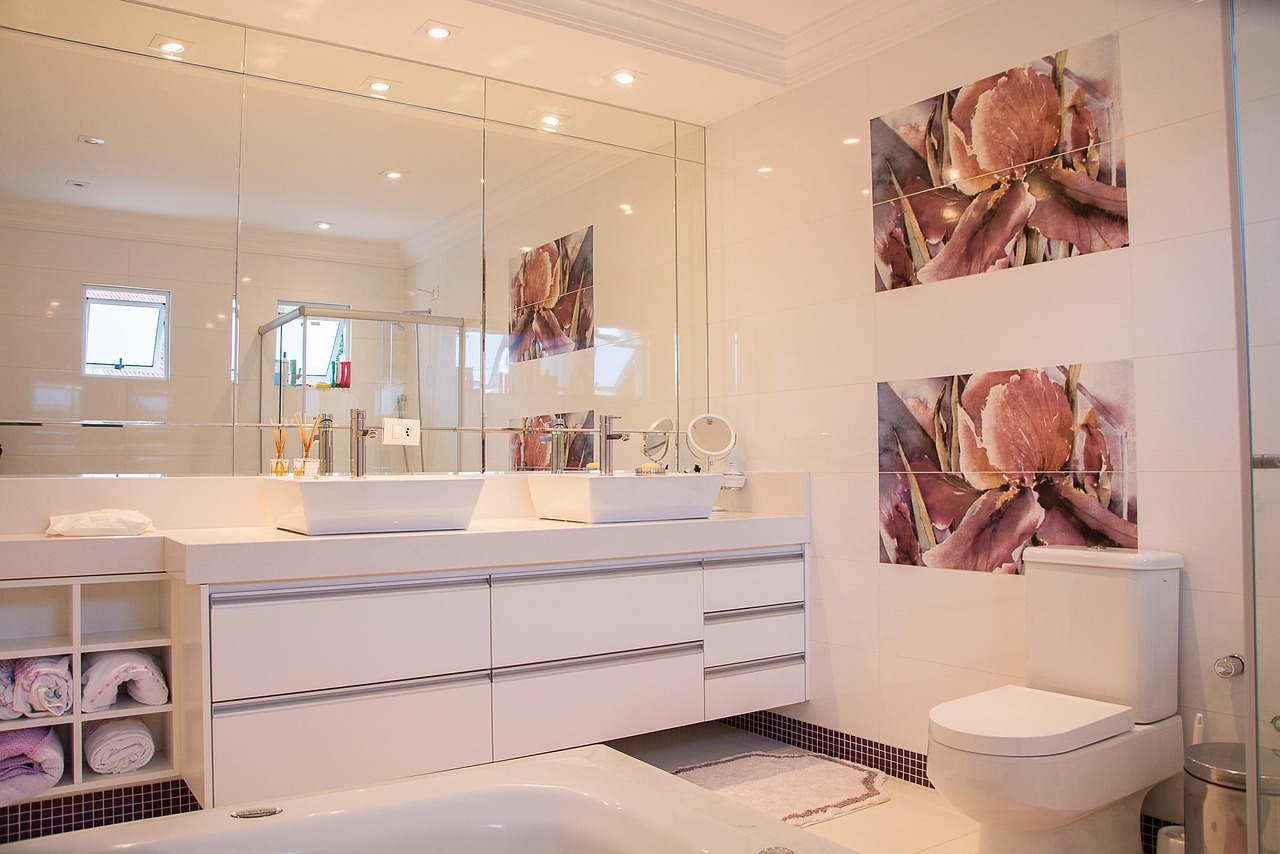
In bathrooms, replace old plumbing fixtures, install a ventilation fan that meets required airflow, and use moisture-resistant drywall or cement board around wet areas. Walk-in showers, larger-format tiles, and a comfort-height toilet increase accessibility and perceived luxury. Plan for waterproofing details, permit needs for plumbing changes, and a realistic timeline for tile curing and fixture lead times.
Loft Conversions
Loft conversions add a bedroom, office, or rental suite by converting attic or underused upper space into conditioned living area. Start by confirming headroom requirements and structural capacity—floor reinforcement and dormer additions are common. Insulation and ventilation upgrades will bring the space to building-code standards and reduce seasonal temperature swings.
You’ll need to consider stair placement and egress windows for safety and compliance. Integrate built-in storage into knee walls to maximize usable floor area. Budget for HVAC extension or a mini-split installation, electrical upgrades, and potential structural engineering fees if you alter rooflines.
Basement Renovations
Basement renovations turn cold, damp space into living rooms, suites, or media rooms when you address moisture and code compliance first. Begin with a professional inspection for water intrusion, foundation cracks, and adequate ceiling height. Install a perimeter drain or sump pump and apply proper vapor barriers before framing.
Design with egress windows for any bedroom, and separate mechanical and storage areas from living spaces. Use closed-cell spray foam or rigid insulation on exterior walls for thermal control. Plan mechanical upgrades: you may need a larger furnace, added ductwork, or a dedicated heat pump for consistent comfort. Follow local codes for ceiling heights, fire separations, and bedroom egress to avoid costly rework.